
The Repeated Pattern of Failure: Investigating Oslo Police Corruption and Crises
An ongoing investigative series examining a recurring pattern of institutional failure within the Oslo Police, unpacking cycles of crises that point beyond isolated incidents toward deeper structural deficiencies and deferred accountability.
The series is grounded in documented analysis and verifiable testimonies, tracing events over time to identify repetition rather than exception. It raises a fundamental question: are these merely isolated mistakes, or evidence of a persistent pattern that resurfaces whenever transparency weakens and oversight falters?
Within institutional discourse, the Oslo Police appear as the façade of law and order: a symbol of the capital’s security and a bastion for the protection of society. Yet when measured against the tools of reality, this façade becomes a distorted mirror of itself, an image fortified with official data, while justice on the ground either recedes or shifts color according to concealed interests. This article does not construct assumptions or analyses lacking judicial substantiation; rather, it draws on international and local investigations and reports to demonstrate how justice is hollowed out at the level of executive practice, and how the law is administratively repurposed within the Oslo Police system when facts collide with influential interests in Oslo. In return, a polished institutional image is offered at the expense of serious accountability. Accordingly, this text does not claim the authority to issue verdicts; it exercises its editorial role without seeking permission from anyone, standing on argument and evidence, and casting light on areas deliberately kept in darkness within the Oslo police apparatus.
Internal Administration Between Structural Failure and Fatal Delay, Before and After 22 July 2011
When examining official sources and critical investigations into the performance of the Oslo Police before and after the 22 July 2011 attacks, a coherent picture emerges: the crisis was not confined to failures in field operations, but rooted more deeply in administrative structure and decision making culture. The report of the National Commission of Inquiry appointed to examine the events of 22 July commonly known as the Gjørv Report did not merely document the police’s failure to respond effectively to the Oslo government bombing and the Utøya massacre. It clearly identified core institutional deficiencies, including inadequate implementation of established procedures, weak inter unit communication, failure to activate existing contingency plans and crisis strategies, and delayed use of intelligence at the early warning stage.
According to the official report, reporting systems between regional units and senior command were operationally ineffective, despite having been formally adopted years earlier. This resulted in delays in disseminating a detailed description of the perpetrator and hindered coordinated emergency response, even when corroborated information existed regarding suspicious purchases that could be linked to the preparation of explosive devices months before the attack.
A System That Cannot Learn or Reform
Critical documentation does not stop at operational shortcomings. Academic analyses have demonstrated that the internal work culture of the police itself suffered from the marginalization of strategic information management and organizational coordination. Day to day operational tasks dominated leadership resources, while planning, strategic intelligence gathering, and risk management were sidelined as core functions. This imbalance rendered the institution less capable of responding to highly complex crises and less able to learn systematically from prior failures.
What becomes evident when comparing the periods before and after 22 July is not merely a technical assessment of an isolated incident, but clear evidence of structural incapacity within leadership systems, emergency planning, and information flow across different departments of the Oslo Police. Moreover, detailed analyses of post-attack documentation indicate that the administrative reforms introduced did not address the roots of institutional culture. Instead, they largely focused on correcting procedural and formal deficiencies, rather than rebuilding the underlying mechanisms of response and institutional coordination.
Within this framework, it becomes necessary to read police Oslo performance in subsequent cases whether involving human trafficking or quasi-institutional affairs not as isolated events, but as part of a broader administrative context revealed by the 2011 crisis: a record oscillating between declared plans and the actual capacity to implement them within the internal administration.
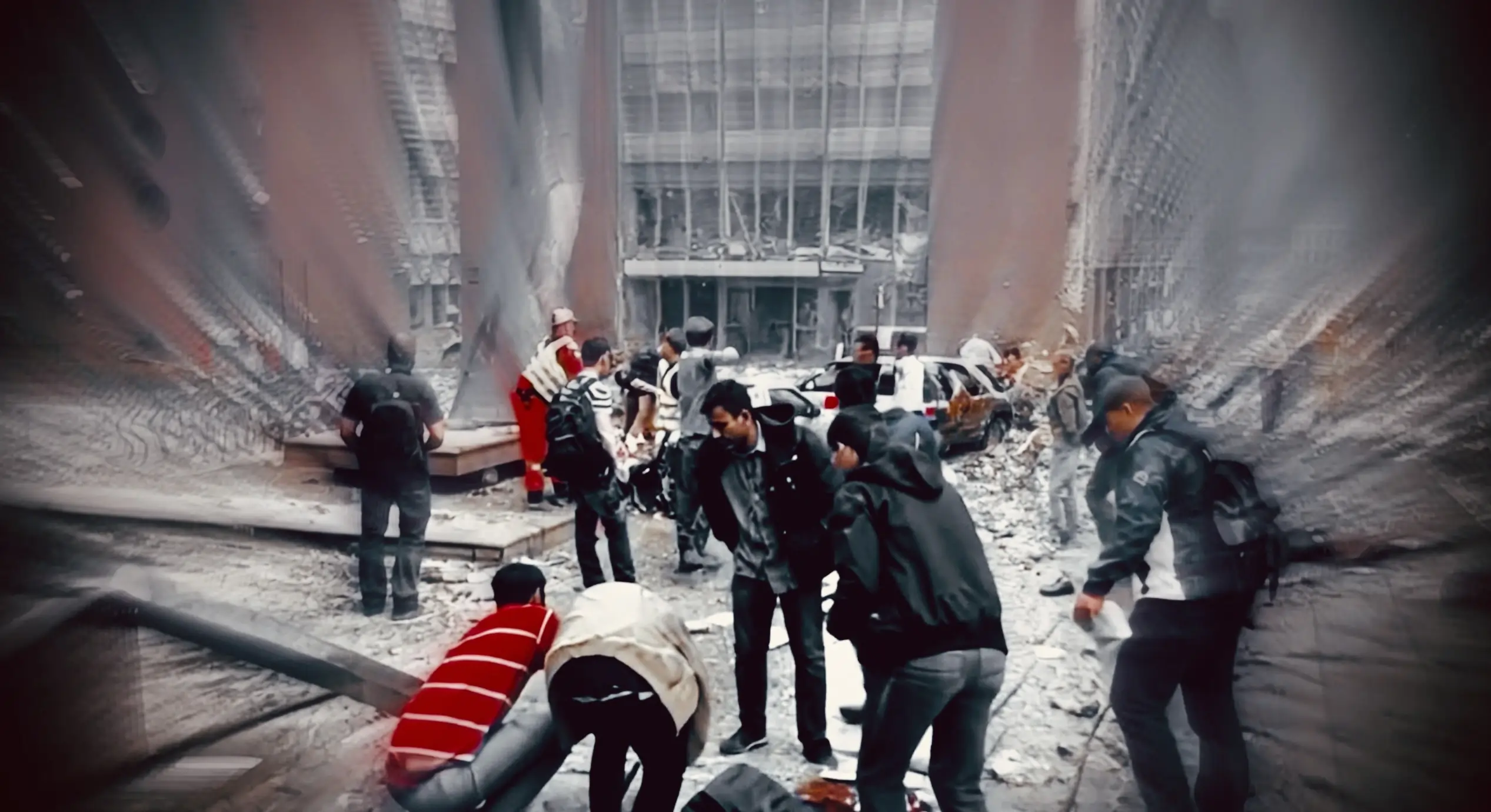
A car bomb exploded near government offices, exposing a critical failure in police readiness and coordination. Communication broke down, command faltered، and the response lagged. As the attacker proceeded to Utøya, these shortcomings became impossible to deny revealing not just a security breach, but a systemic lapse in preparedness at a decisive moment.
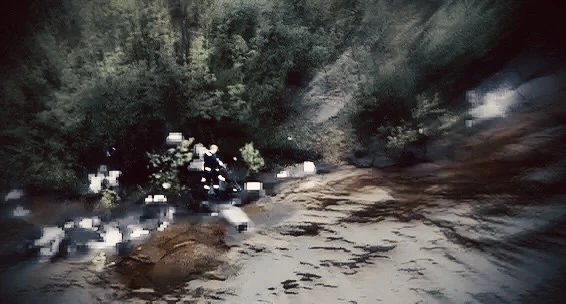

The image was taken on Lake Tyrifjorden, off Utøya Island, during the 2011 Norway attacks.
Officers from the Oslo Police, alongside a unit from Nordre Buskerud Police, were aboard a red intervention boat heading toward the island. The vessel broke down before reaching shore, forcing them to request assistance from civilians to complete the crossing.
At a decisive moment of testing, the narrative of preparedness collapsed. The failure was not a mere technical setback, but an indicator of flawed readiness and misjudged risk in an operation that should have been conducted with the highest level of discipline and efficiency. When the force entrusted with protection must rely on civilian help to reach the scene of a massacre, the breakdown ceases to be incidental; it becomes an institutional question one of planning, command, and accountability.
This is not merely an image of a boat stuck;
it is an image of the Oslo Police’s operational paralysis exposed before our eyes.
Between the shore and Utøya, it was not only the engine that failed,
but chains of command, a culture of management, and contingency plans that existed only on paper.At the moment when authority was supposed to translate its monopoly of force into effective protection,
it was reduced to pleading for passage.
The water was not deeper than the administrative failure,
and the boat was no heavier than years of deferred institutional reckoning.Here we do not see an isolated incident, but a systemic pattern materializing:
a polished official façade under the light, and a structure disoriented when that light is tested by blood.
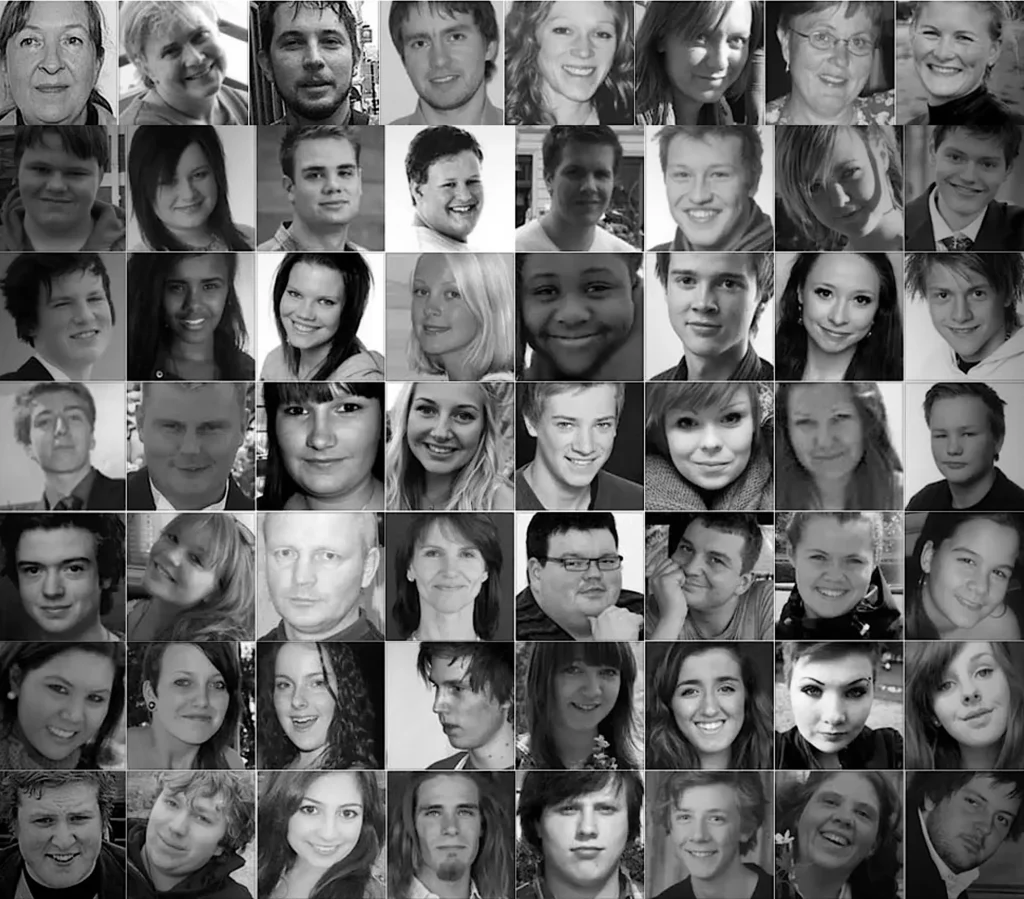
Each soul lost stands as a silent testament to the tragic failure of the Oslo Police. In this grim chapter of Norway’s history, the contrast is stark: a ruthless killer moving freely among the defenseless, and the Oslo Police immobilized and ineffective, caught in a web of unpreparedness and confusion. The island, once a place of youth and hope, now stands as a somber reminder of a day when the thin line between safety and chaos was severed, leaving a nation to mourn the consequences.
Oslo bombing
1 – Hanna Endresen – Age 61 – Oslo
2 – Tove Ashill Knutsen – Age 56 – Oslo
3 – Kai Hauge – Age 32 – Oslo
4 – Jon Vegard Lervag – Age 32 – Oslo
5 – Ida Marie Hill – Age 34 – Oslo (Originally from Grue, Hedmark County)
6 – Hanne Ekroll Loevlie – Age 30 – Oslo (Originally from Tyristrand, Buskerud County)
7 – Anne Lise Holter – Age 51 – Valer i Oestfold, Oestfold County
8 – Kjersti Berg Sand – Age 26 – Nord-Ordal
Utoeya island shooting
1 – Mona Abdinur – Age 18 – Oslo
2 – Maria Maageroe Johannesen – Age 17 – Noetteroey, Vestfold county
3 – Ismail Haji Ahmed – Age 19 – Hamar, Hedmark county
4 – Ronja Soettar Johansen – Age 17 – Vefsn, Nordland county
5 – Thomas Margido Antonsen – Age 16 – Oslo
6 – Sondre Kjoeren – Age 17 – Orkdal, Soer-Troendelag county
7 – Porntip Ardam – Age 21 – Oslo
8 – Margrethe Boeyum Kloeven – Age 16 – Baerum, Akershus county
9 – Modupe Ellen Awoyemi – Age 15 – Drammen, Buskerud county
10 – Syvert Knudsen – Age 17 – Lyngdal, Vest-Agder county
11 – Lene Maria Bergum – Age 19 – Namsos, Nord-Troendelag
12 – Anders Kristiansen – Age 18 – Bardu, Troms county
13 – Kevin Daae Berland – Age 15 – Akoey, Hordaland county
14 – Elisabeth Troennes Lie – Age 16 – Halden, Oestfold county
15 – Trond Berntsen – Age 51 – Oevre Eiker, Buskerud county
16 – Gunnar Linaker – Age 23 – Bardu, Troms county
17 – Sverre Flate Bjoerkavag – Age 28 – Sula, Soer-Troendelag county
18 – Tamta Lipartelliani – Age 23 – Georgia
19 – Torjus Jakobsen Blattmann – Age 17 – Kristiansand, Vest-Agder county
20 – Eva Kathinka Lutken – Age 17 – Sarpsborg, Oestfold county
21 – Monica Boesei – Age 45 – Hole, Buskerud county
22 – Even Flugstad Malmedal – Age 18 – Gjoevik, Oppland county
23 – Carina Borgund – Age 18 – Oslo
24 – Tarald Kuven Mjelde – Age 18 – Osteroey
25 – Johannes Buoe – Age 14 – Mandal, Vest-Agder county
26 – Ruth Benedicte Vatndal Nilsen – Age 15 – Toensberg, Vestfold county
27 – Asta Sofie Helland Dahl – Age 16 – Sortland, Nordland county
28 – Hakon Oedegaard – Age 17 – Trondheim, Soer-Troendelag county
29 – Sondre Furseth Dale – Age 17 – Haugesund, Rogaland county
30 – Emil Okkenhaug – Age 15 – Levanger, Nord-Troendelag county
31 – Monica Iselin Didriksen – Age 18 – Sund, Hordaland county
32 – Diderik Aamodt Olsen – Age 19 – Nesodden, Akershus county
33 – Gizem Dogan – Age 17 – Trondheim, Soer-Troendelag county
34 – Henrik Pedersen – Age 27 – Porsanger, Finnmark county
35 – Andreas Edvardsen – Age 18 – Sarpsborg, Oestfold county
36 – Rolf Christopher Johansen Perreau – Age 25 – Trondheim, Soer-Troendelag county
37 – Tore Eikeland – Age 21 – Osteroy, Hordaland county
38 – Karar Mustafa Qasim – Age 19 – Vestby, Akershus county
39 – Bendik Rosnaes Ellingsen – Age 18 – Rygge, Oestfold county
40 – Bano Abobakar Rashid – Age 18 – Nesodden, Akershus county
41 – Aleksander Aas Eriksen – Age 16 – Meråker, Nord-Troendelag county
42 – Henrik Rasmussen – Age 18 – Hadsel, Nordland county
43 – Andrine Bakkene Espeland – Age 16 – Fredrikstad, Oestfold county
44 – Synne Roeyneland – Age 18 – Oslo
45 – Hanne Balch Fjalestad – Age 43 – Lunner, Oppland county
46 – Ida Beathe Rogne – Age 17 – Oestre Toten, Oppland county
47 – Silje Merete Fjellbu – Age 17 – Tinn, Telemark county
48 – Simon Saebo – Age 18 – Salangen, Troms county
49 – Hanne Kristine Fridtun – Age 19 – Stryn, Sogn og Fjordane county
50 – Marianne Sandvik – Age 16 – Hundvag, Stavanger
51 – Andreas Dalby Groennesby – Age 17 – Stange, Hedmark county
52 – Fredrik Lund Schjetne – Age 18 – Eidsvoll, Akershus county
53 – Snorre Haller – Age 30 – Trondheim, Soer-Troendelag county
54 – Lejla Selaci – Age 17 – Fredrikstad, Oestfold county
55 – Rune Havdal – Age 43 – Oevre Eiker, Buskerud county
56 – Birgitte Smetbak – Age 15 – Noetteroey, Vestfold county
57 – Guro Vartdal Havoll – Age 18 – Oersta, Moere og Romsdal
58 – Isabel Victoria Green Sogn – Age 17 – Oslo
59 – Ingrid Berg Heggelund – Age 18 – As, Akershus county
60 – Silje Stamneshagen – Age 18 – Askoey, Hordaland county
61 – Karin Elena Holst – Age 15 – Rana, Nordland county
62 – Victoria Stenberg – Age 17 – Nes, Akershus county
63 – Eivind Hovden – Age 15 – Tokke, Telemark county
64 – Tina Sukuvara – Age 18 – Vadsoe, Finnmark county
65 – Jamil Rafal Mohamad Jamil – Age 20 – Eigersund, Rogaland county
66 – Sharidyn Svebakk-Boehn – Age 14 – Drammen, Buskerud county
67 – Steinar Jessen – Age 16 – Alta, Finnmark county
68 – Havard Vederhus – Age 21 – Oslo
69 – Espen Joergensen – Age 17 – Bodoe, Nordland county
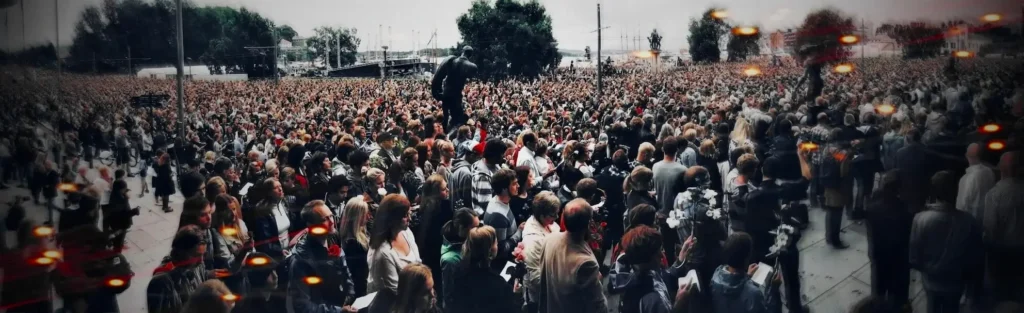
Unforgivable